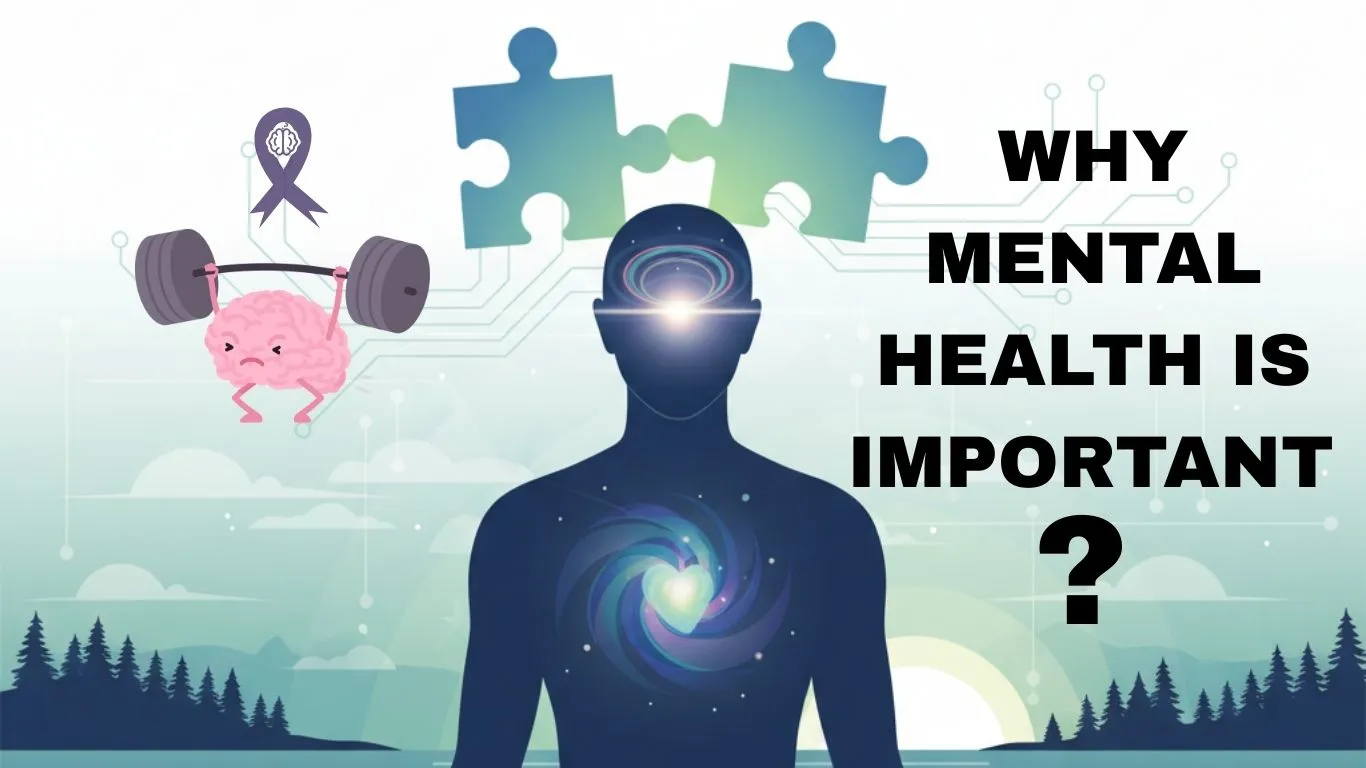
Discover why mental health awareness is more important than ever. Explore global challenges, awareness campaigns, benefits, and practical tips to support mental well-being.
A Wake-Up Call in Our Digital Age
Something’s happening in our world right now that we can’t ignore. Walk into any coffee shop, office, or school, and you’ll notice it—people are more stressed, more anxious, and frankly, more exhausted than ever before. That’s exactly why mental health awareness is more important than it’s ever been.
We’re living through a perfect storm of challenges. Remote work has us feeling isolated even when we’re constantly connected. Social media bombards us with impossible standards. Global events make us question everything we thought we knew about the future. Understanding why mental health awareness is more important has become crucial for navigating these modern pressures.
But here’s what’s different about today: we’re finally talking about it. The shame around mental health struggles is lifting, and people are getting real about what they’re going through. Recent studies show that 1 in 4 people worldwide will face mental health challenges, and younger generations are leading the charge in seeking help. This shift demonstrates why mental health awareness is more important than maintaining silence about our struggles.
With technology and lifestyle changing rapidly in 2025, conversations around well-being are shifting. For example, while AI continues to reshape industries (GPT-5 Redefines AI), the mental health conversation is equally becoming unavoidable.
Understanding Why Mental Health Awareness Is More Important Today
When we examine why mental health awareness is more important in our current era, we’re not just talking about feel-good campaigns or token gestures. We’re talking about a fundamental shift in how society views and supports mental well-being.
Mental health awareness today covers the full spectrum of human experience—anxiety that keeps you up at night, depression that makes getting out of bed feel impossible, the burnout that makes work feel meaningless, trauma that follows you around like a shadow, and stress that never seems to let up.
The beauty of where we are now is that awareness isn’t confined to therapy offices anymore. Schools are teaching emotional intelligence alongside math and science. Companies are offering mental health days without making employees jump through hoops. Governments are funding apps and online counseling. Even your grandmother might have a meditation app on her phone.
And here’s the thing—this isn’t just for people with diagnosed conditions. Mental health awareness is for:
- Students drowning in academic pressure and social media comparison
- Professionals burning out from endless emails and impossible deadlines
- Parents trying to balance everything while feeling like they’re failing at it all
- Seniors dealing with loneliness in an increasingly disconnected world
By now, we’ve finally understood that mental health isn’t a luxury or an afterthought—it’s as essential as physical health, maybe more so. This realization explains why mental health awareness is more important than ever before.
Just like how new opportunities such as the EV market boom in India (India EV Market 2025) create societal changes, that shows Why mental health awareness is more important for becoming essential for sustainable growth.
Modern Challenges That Show Why Mental Health Awareness Is More Important
What makes understanding why mental health awareness is more important so urgent right now? The challenges we’re facing are unlike anything previous generations dealt with.
The Social Media Trap: We’re constantly comparing our behind-the-scenes to everyone else’s highlight reel. Young people especially are dealing with cyberbullying, FOMO, and the pressure to curate perfect online lives. The good news? Campaigns are now focusing on digital wellness and helping people have healthier relationships with their devices.
Work-Life Blur: Remote and hybrid work sounded great in theory, but many people can’t turn off anymore. Your bedroom became your office, your kitchen table became your conference room. Companies are starting to get it, though—they’re implementing actual mental health programs and encouraging real time off.
Global Anxiety: Climate change, economic uncertainty, political upheaval—the news feels relentlessly heavy. That’s why we’re seeing more international cooperation on mental health initiatives and campaigns that focus on finding hope amid uncertainty.
AI and Mental Health: This is new territory. AI chatbots can provide 24/7 support, but they can’t replace human connection. We’re still figuring out how to use technology to help without losing the human touch that makes healing possible.
Education Revolution: Schools are finally teaching kids about emotions, resilience, and mental health from an early age. It’s revolutionary—imagine if we’d learned these skills as kids instead of having to figure them out as adults.
These developments clearly illustrate why mental health awareness is more important now—it’s about action, solutions, and real change rather than just acknowledgment.
- “According to the World Health Organization, one in eight people worldwide lives with a mental health condition, making awareness crucial in 2025.”
- “The Harvard Business Review highlights how companies that prioritize employee well-being see higher productivity and retention.”
The Real Benefits and Honest Challenges
Let’s be honest about what this increased focus on mental health is actually doing for us.
The Good Stuff: People are talking more openly about their struggles, which means less shame and isolation. When someone recognizes symptoms early, they can get help before things get worse. Workplaces are becoming more humane, which benefits everyone. Online communities give people connection and support they might not find in their daily lives.
The Complications: Sometimes it feels like there’s too much information out there, and it’s hard to know what’s actually helpful. Some awareness campaigns can feel performative rather than genuinely helpful. Many communities, especially rural or low-income areas, still don’t have access to quality mental health resources. And while apps and AI tools are helpful, they can’t replace the healing that happens in real human relationships.
The numbers tell the story: WHO reports a 15% increase in people seeking mental health support compared to 2023. About 60% of workplaces now have mental wellness programs. Young people aged 16-24 report the highest stress levels globally.
These statistics aren’t just numbers—they represent real people making brave choices to prioritize their mental health, proving why mental health awareness is more important in creating supportive communities.
Finding Your Path to Better Mental Health
If traditional therapy or big awareness campaigns don’t feel right for you, there are other ways to take care of your mental health:
Professional Support: Online therapy, group counseling, and peer support groups are more accessible than ever. Many are affordable or covered by insurance.
Everyday Practices: Meditation doesn’t have to be complicated—even five minutes of deep breathing can help. Journaling, walking in nature, or having honest conversations with friends can be incredibly powerful.
Community Connection: Whether it’s a local support group, an online community, or just regular coffee dates with friends who “get it,” connection is healing.
Workplace Resources: Many employers now offer counseling services, mental health apps, or wellness programs. Don’t hesitate to use them.
Simple Daily Steps:
- Check in with yourself regularly—how are you really doing?
- Set boundaries with technology and social media
- Prioritize sleep and nutrition (they’re more connected to mental health than you might think)
- Remember that asking for help is brave, not weak
Moving Forward Together
Understanding why mental health awareness is more important comes down to this: we’re facing unprecedented challenges, but we’re also more equipped than ever to handle them—if we work together.
The conversation has shifted from “just tough it out” to “let’s figure this out together.” Schools, workplaces, governments, and communities are all stepping up. Most importantly, individuals are deciding that their mental health matters and deserves attention and care.
This isn’t a temporary trend—it’s a fundamental shift toward treating mental health as seriously as we treat physical health. Today, taking care of your mind isn’t just accepted; it’s expected and supported. This cultural shift exemplifies why mental health awareness is more important than maintaining outdated stigmas.
The path forward isn’t about having perfect mental health—it’s about creating a world where struggling doesn’t mean suffering alone. By continuing to talk openly, support each other, and demand better resources, we’re building something that will benefit generations to come.
Your mental health matters. The person next to you—their mental health matters too. Together, we’re making sure no one has to face their struggles in silence.
Frequently Asked Questions
Q1: Why mental health awareness is more important than before? Because we’re dealing with unique modern stressors—social media pressure, remote work isolation, global uncertainty—while finally having the tools and willingness to address mental health openly and effectively.
Q2: What does mental health awareness look like today? It’s comprehensive support systems: workplace mental health programs, school curricula that teach emotional intelligence, accessible online resources, and a cultural shift toward treating mental health as seriously as physical health.
Q3: How can I contribute to mental health awareness? Start conversations, share your experiences when you’re comfortable, support friends and colleagues, learn about mental health resources in your community, and prioritize your own mental well-being.
 By
By