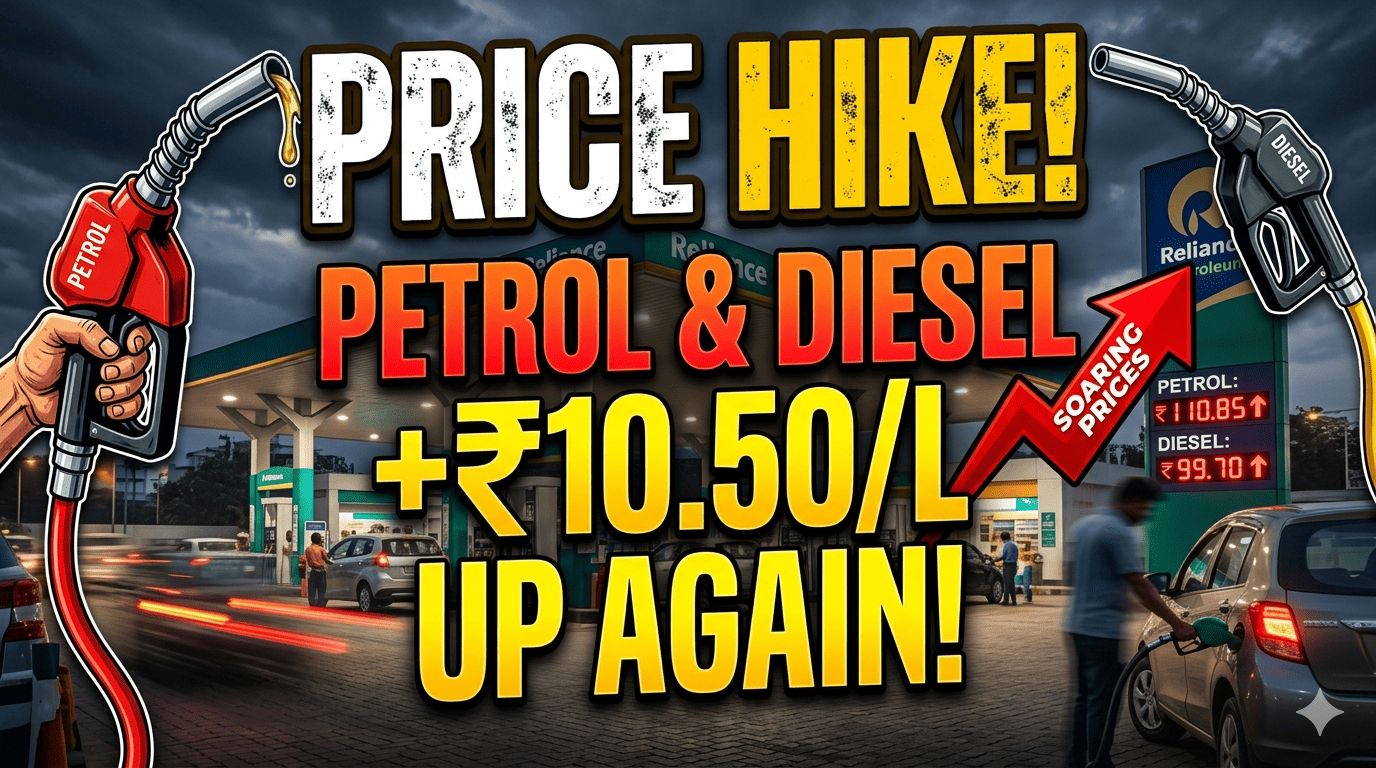
The petrol diesel price hike in India 2026 has arrived — and it has arrived without warning. On May 15, 2026, millions of Indians woke up to find that fuel prices at their nearest pump had jumped by ₹3 per litre overnight. No countdown. No cushion. Just a new number staring back from the board. State-owned oil giants Indian Oil Corporation (IOC), Bharat Petroleum (BPCL), and Hindustan Petroleum (HPCL) — which together control over 90% of India’s fuel stations — announced the hike simultaneously, ending a silence that had lasted nearly four years.
“State-owned oil giants Indian Oil Corporation (IOC), Bharat Petroleum (BPCL), and Hindustan Petroleum (HPCL)…”
Why the Petrol Diesel Price Hike in India 2026 Was Unavoidable
The answer begins thousands of miles away, in the conflict-torn skies over West Asia.
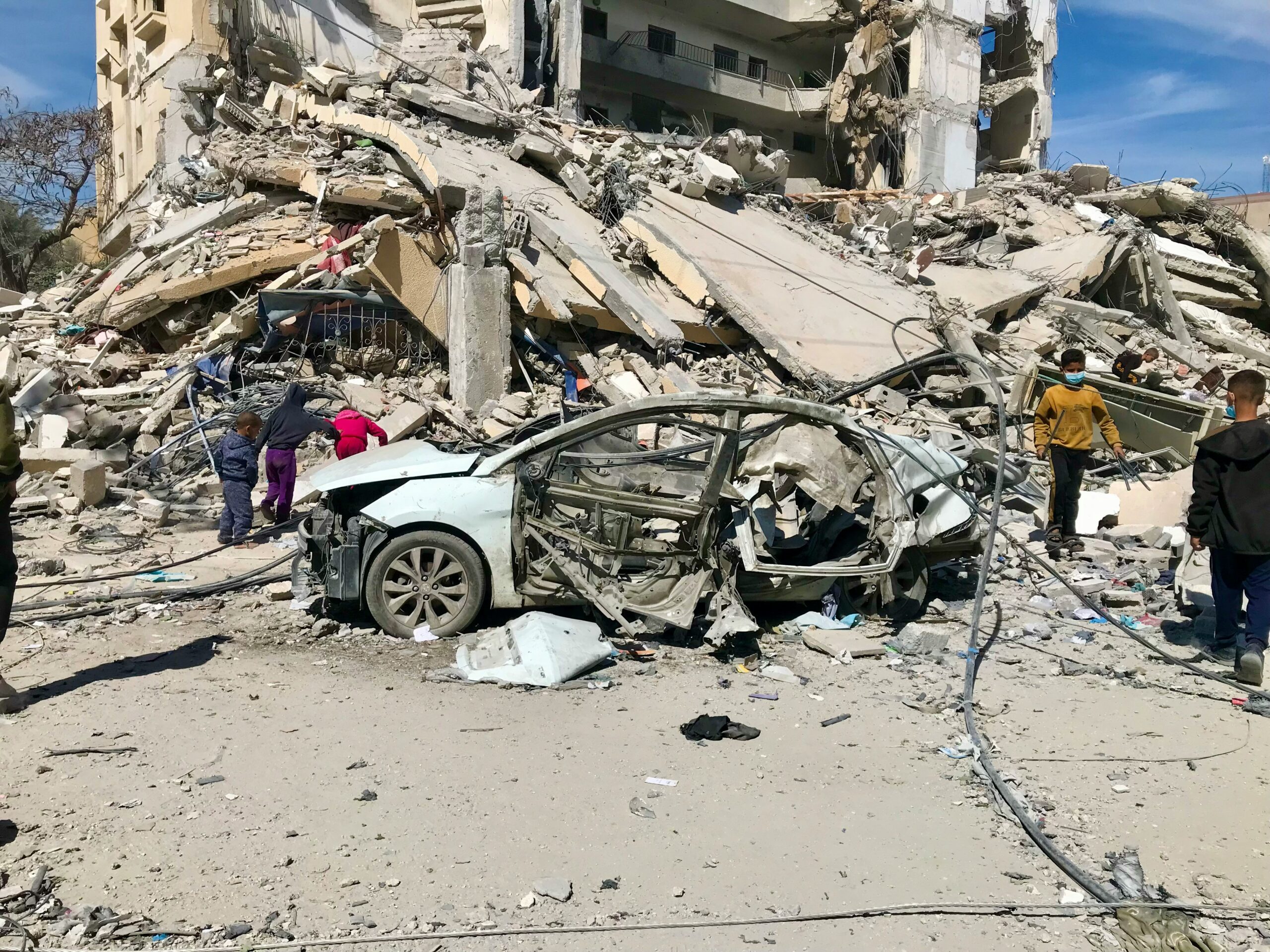
When Israel and the United States carried out strikes on Iran earlier this year, global oil markets reacted instantly and violently. Brent crude — the international benchmark for oil pricing — surged past $100 per barrel. India, which imports roughly 88% of its crude oil needs, absorbed the full force of this shock.
Before the conflict escalated, India’s crude oil import basket averaged around $69 per barrel in February 2026. Within weeks, that figure climbed to $113–114 per barrel — a rise of over 50% in just a few months. IOC, BPCL, and HPCL quietly absorbed these losses for nearly 11 weeks. Reports from the oil ministry revealed they were bleeding ₹100 per litre on diesel and ₹20 per litre on petrol at the old prices. The combined daily loss across the three companies was enough to wipe out an entire year’s profit in a single quarter. The hike was not a policy choice — it was a financial emergency.
New Petrol and Diesel Rates Across Major Indian Cities — May 15, 2026
Here is how the revised fuel prices look across India’s key cities after the hike:
| City | Petrol (per litre) | Diesel (per litre) |
|---|---|---|
| Delhi | ₹97.77 | ₹90.67 |
| Mumbai | ₹106.68 | ₹93.14 |
| Kolkata | ₹108.74 | ₹92.02 |
| Chennai | ₹103.67 | ₹92.39 |
| Jaipur | ₹107.99 | ₹93.26 |
| Patna | ₹107+ | ₹93+ (approx.) |
Prices vary across states due to differences in VAT, local levies, and transportation costs. But the common thread across every city today is clear — you are paying more than you did 24 hours ago.
49 Months of Frozen Prices — Then One Morning Changed Everything
For 49 straight months, petrol and diesel prices at Indian pumps had not moved upward. Through state elections, global oil volatility, and repeated calls from the industry to revise rates, the government held firm. Consumers had grown used to the stability — even taken it for granted.
That era is over.
The timing of the announcement, notably, came just 16 days after assembly elections concluded in Assam, Kerala, Tamil Nadu, and West Bengal. Fuel prices had been held flat through the entire polling period despite soaring global crude rates — a pattern that opposition parties were quick to point out. Congress, AAP, and SAD all issued sharp statements, calling the hike a direct blow to the common man and an additional burden on farmers who depend on diesel for irrigation pumps and transportation of produce.
“₹3 Is Only One-Tenth of the Actual Correction Needed”
This is the part that demands attention.
Industry insiders have confirmed that the ₹3 per litre hike — painful as it is — covers only about one-tenth of the total correction needed to align Indian fuel prices with current global crude rates. Credit rating agency ICRA estimates that even after this revision, oil marketing companies are still losing approximately ₹500 crore every single day on the combined sale of petrol, diesel, and domestic LPG.
That is simply not sustainable. And that means one uncomfortable truth must be faced: more hikes are likely coming.
It is also worth noting that the government had already cut excise duty on petrol and diesel by ₹10 per litre in March 2026, precisely to cushion consumers from rising global prices. Private fuel retailers had already adjusted their prices before that. The PSU companies held out as long as they possibly could — and then could hold no longer.
How This Petrol Diesel Price Hike Will Hit Your Daily Budget
A fuel price hike never stays at the petrol pump. It travels — through every truck, every tempo, every supply chain in the country.
Higher diesel prices directly raise freight costs. Higher freight means higher prices for vegetables, groceries, packaged goods, medicines, and raw materials. Factories that use diesel for power and manufacturing will face increased input costs, which will eventually be passed to the end consumer. Farmers who rely on diesel-powered equipment and irrigation will feel the pinch in their production costs.
Economists call this the “second-round effect” of a fuel shock. Research shows that inflationary pass-through from a fuel hike typically completes within two to three months. In practical terms — the ₹3 hike you see at the pump today could show up as noticeably heavier grocery bills and transport costs by July–August 2026.
India’s retail inflation already edged up to 3.48% in April 2026. Further pressure from fuel costs on agriculture and transport could push that number higher in the months ahead.
What Should You Do Now?
While you cannot control global oil prices or government policy, there are practical steps you can take to reduce the impact on your own budget:
- Carpool or use public transport where possible to reduce per-person fuel spend
- Keep your vehicle well-maintained — proper tyre pressure and engine tuning significantly improve mileage
- Avoid fuel hoarding — prices are revised daily and panic-buying rarely helps
- Track daily fuel rates via the SMS service (send RSP to 9224992249 for IOC) or fuel price apps
- Consider fuel-efficient or CNG/EV alternatives if you are planning a vehicle upgrade
Is It Time to Think Beyond Petrol and Diesel?
This fuel shock is forcing millions of Indians to ask a question they had been putting off: Is it finally time to switch to an electric vehicle?
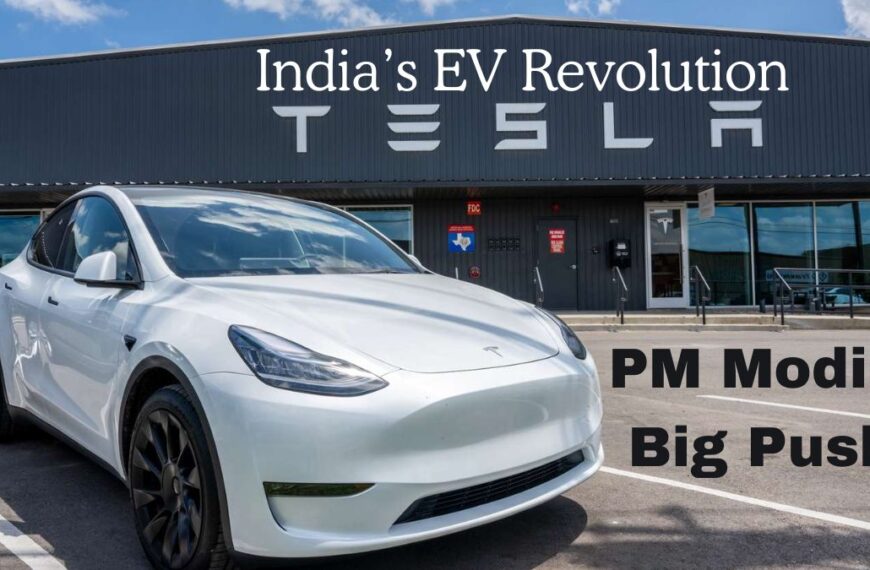
The economics are now harder to ignore than ever. EVs can cost up to 70% less to operate than petrol or diesel vehicles. With fuel prices climbing and no clear ceiling in sight, that gap only widens. India’s EV industry has been growing at a remarkable pace — according to The Global Glance’s in-depth coverage of the India EV Market 2025, electric vehicles are rapidly going mainstream, with a 10–12% share of all vehicle sales projected by the end of 2025, up from barely 1–2% in 2020.
Brands like Ola Electric, Tata Motors, Ather Energy, and TVS are making EVs more affordable and accessible than ever. If today’s price hike at the pump feels like the last straw, it might just be the push that makes the switch worth considering.
The Bottom Line
The petrol diesel price hike of May 2026 in India is not just a fuel story. It is a cost-of-living story, a geopolitics story, and for many households, a monthly budget story. A war being fought thousands of miles away is quietly reshaping what Indians pay for food, transport, and daily essentials right here at home.
The 49-month freeze has ended. The thaw has begun. And the question every Indian household is asking today has no comfortable answer yet:
How much higher will it go?
 By
By